“The moral test of government is how that government treats those who are in the dawn of life, the children; those who are in the twilight of life, the elderly; those who are in the shadows of life; the sick, the needy, and the handicapped.”
.- Hubert H. Humphrey
 Through their state-granted licenses, healthcare facilities have been entrusted with the duty to care for Minnesota’s vulnerable adults. Unfortunately, history gives us horrifying accounts of abuse and neglect of the most vulnerable among us while in the care of those facilities. For decades, the maltreated were left to suffer in silence, unless a vigilant family member or health care provider spoke up.
In April 1980, Minnesota Governor Al Quie signed Minnesota’s Vulnerable Adults Act into law. The Act was intended to protect vulnerable adults from abuse or neglect and to assist those charged with the care of vulnerable adults to provide safe environments. Since then, the Vulnerable Adults Act has been revised to strengthen protections for Minnesota’s vulnerable adults’ population.
 We often write about the more common protections for employees in Minnesota, such as protections against discrimination, sexual harassment, retaliation for reporting law violations (i.e. whistle blowers), and protections for employees who take medical leave. But, did you know that Minnesota also provides lesser-known protections to employees? For example, Minnesota law allows employees to take up to 16 hours of time off work to attend their child’s school conferences and activities each year and for each child.
 What rights does an employee have when jury duty calls?
 You’ve just been fired, or you suspect you’re about to be fired. And you think that your termination may be for an illegal reason (e.g., discrimination, retaliation, blowing the whistle). Now what?
 The #MeToo movement has shined light on sexual harassment and sexual assault in the workplace and work-related events. However, there is still a value in increasing knowledge, training, and education when it comes to sexual harassment and sexual assault in the workplace.
 Minnesota is known as an employment “at-will” state. This means that an employer can terminate an employee for any reason, or no reason at all. This “at-will” doctrine gives employers considerable discretion, and allows them to terminate an employee for what may seem like unreasonable and irrational reasons. For example, let’s say your employer terminates you for walking into work one day with a Pepsi because he has an unofficial Coca-Cola-only policy. While this is not a great business practice, there is nothing wrongful or illegal about this termination.
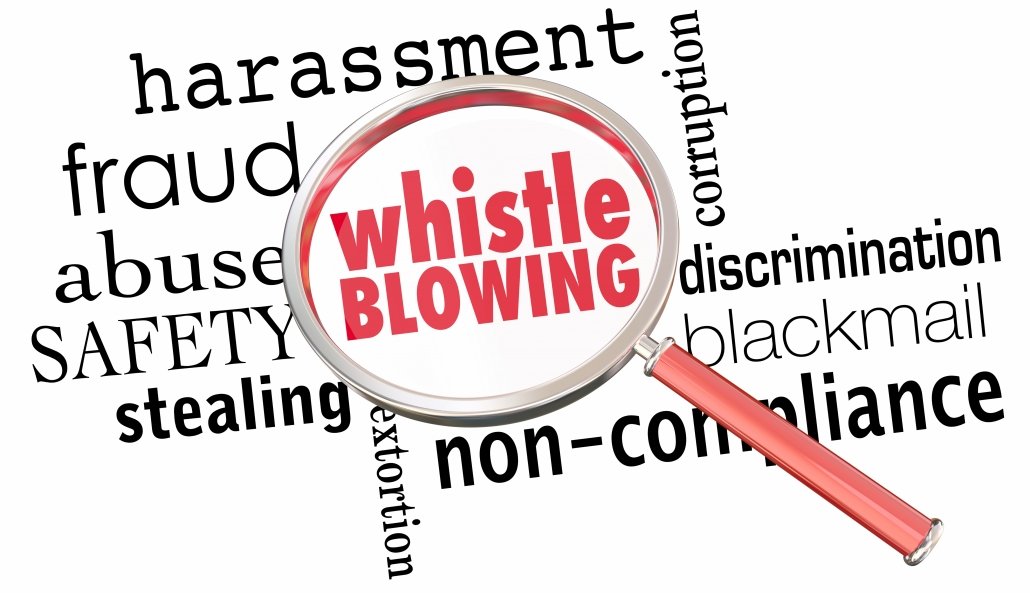
 Employment in Minnesota is at-will, unless you are in a union or have an employment contract. What this means is that your employer can terminate you at any time, for any reason, even if that reason is unfair or untrue.